
Digging Done Right the First Time
Excavation services in Belton for rural lots, acreage building sites, and uneven ground that needs cutting and shaping
A defined, usable cut in the ground is the starting point for building pads, pond sites, drives, and utility runs on rural and acreage property—and getting that cut right the first time depends on the crew understanding the site before the bucket goes in. Texas Clearing and Excavation provides excavation services from its office in Belton, working on rural lots and acreage across Central Texas where uneven terrain requires cut and fill work before construction or site use can proceed. Because the same crew handles clearing, grading, and excavation on a given property, the conditions underground are already familiar before digging starts, and spoil placement is planned rather than improvised.
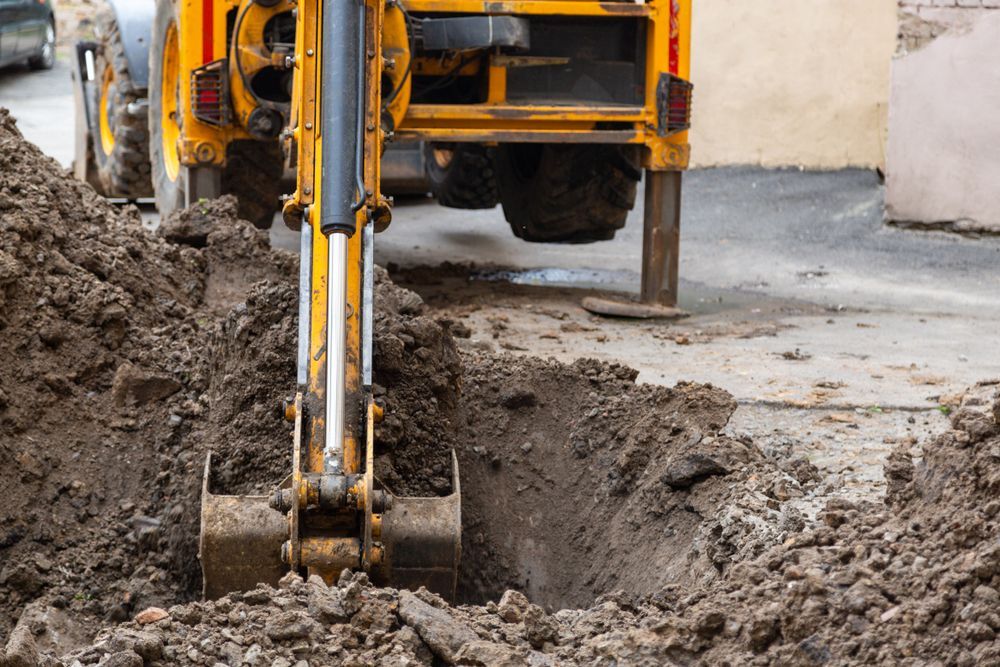
After clearing, the crew sets the excavation area based on the project requirements—depth, footprint, and slope—and works through the dig in a sequence that keeps the cut walls stable and the spoil accessible for reuse or haul-off. On rural properties around Belton, uneven terrain is the standard condition rather than the exception: old ranch land and acreage lots frequently carry natural grade changes, depressions from erosion, and hard caliche layers that affect how the dig progresses and how much material has to move. Spoil is handled on site or hauled away as agreed, leaving a defined cut that is ready for the next contractor or the next phase of work without additional cleanup.
Call (512) 642-8612 to discuss the site conditions and scope before committing to a dig sequence.
How Excavation Addresses Uneven Rural Ground
Excavation on rural acreage is not uniform work. The depth of a building pad dig differs from the cut needed for a stock pond, which differs again from the trench work required for a utility run or the shaping needed for a culverted drive approach. Each project type has its own tolerances for slope, wall stability, and finished surface condition, and those tolerances determine how the crew sequences the dig and what equipment handles which phase. Texas Clearing and Excavation keeps all of that under one in-house crew, so the dig plan is not handed off between the clearing contractor and a separate excavation team with different knowledge of the site.
Once excavation is finished, the change is specific and measurable: the area holds the shape it was cut to, the walls are stable, and the finished surface is at the elevation the project requires. Spoil that was excavated from the cut is either incorporated into fill elsewhere on the property or removed entirely, so the site is not left with loose material piled where it interferes with the next stage of work. That handoff condition—a clean, defined cut at the right depth—is what allows the next phase, whether foundation, pond liner, or road base, to begin without rework.
Properties with significant grade change may require cut and fill work in combination: material excavated from high points is used to bring low areas up to the required elevation before the finished grade is set. That approach reduces the volume of spoil that has to leave the site and shortens the overall project timeline when the math on the site's topography supports it.
Common Questions About Excavation Work
Excavation on rural and acreage property involves decisions about depth, spoil handling, sequencing, and site conditions that are worth understanding before the work begins. The following answers address how the process actually works.
What determines how deep an excavation needs to go on a rural building site?
Depth is set by the project type and local requirements—a building pad has different depth tolerances than a pond site or a utility trench, and those requirements are established before the first cut is made.
How is spoil managed when excavation removes significant material from the site?
Spoil is either placed in designated fill areas on the same property—where terrain allows cut-and-fill balancing—or hauled away entirely, depending on what was agreed before the dig began.
What happens when the crew encounters hard caliche or rock during excavation on rural lots around Belton?
Caliche and rock layers are common on rural acreage in Central Texas and affect the rate of progress and the equipment used; when hard material is encountered, the dig sequence adjusts to work through it rather than around it.
Why does having one crew handle both clearing and excavation matter for the finished result?
A crew that cleared the site already knows where old root mass, debris, or low spots are located underground, which reduces surprises during the dig and avoids voids or soft areas in the finished cut.
How can you confirm that an excavation is finished to the correct depth and shape before the next contractor arrives?
The finished cut should hold the specified dimensions with stable walls and a consistent bottom elevation across the full footprint—measurable with a grade rod before the next phase begins.
Texas Clearing and Excavation also performs excavation services in Harker Heights, Killeen, Nolanville, and Temple. Contact the crew directly to review the site layout and scope the dig before scheduling begins.