
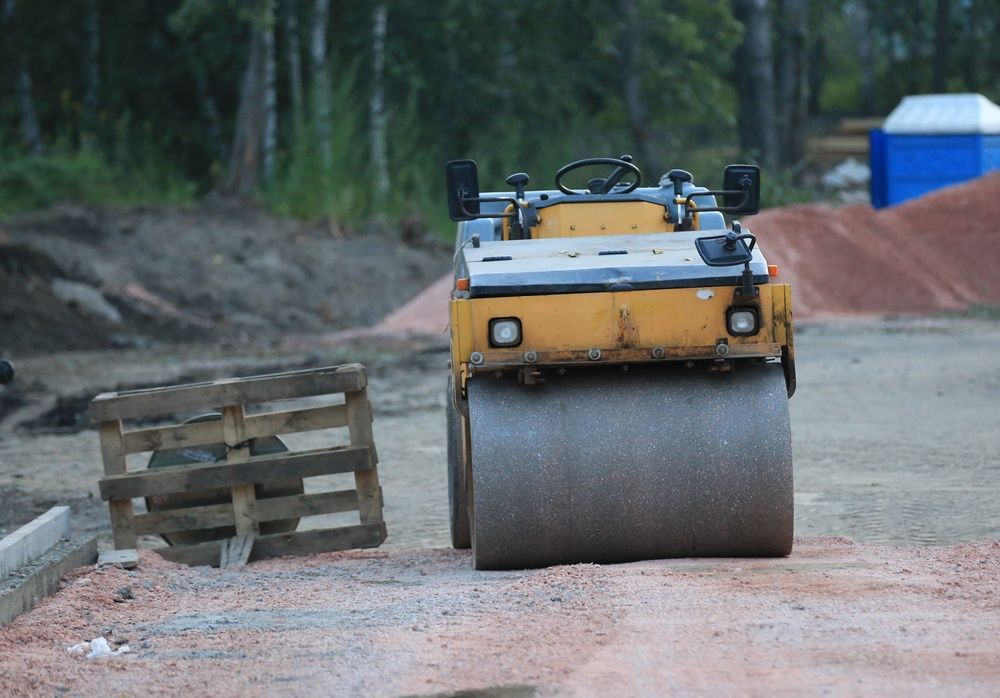
Ranch Access Cut Through Brush and Grade
Road construction in Belton for acreage and ranch properties that need a driveable access route through uncleared or uneven ground
Before a structure goes up, a fence line gets strung, or equipment reaches the back of a rural parcel, there has to be a road. Acreage and ranch properties around Belton frequently lack any improved access beyond a track through brush, and building that access means clearing a route, shaping a stable roadbed, and finishing the surface to something that holds up under the loads the property will see. Texas Clearing and Excavation builds rural roads and property access from its Belton base, handling the full sequence—clearing the route, cutting and grading the roadbed, and finishing the surface—under one in-house crew rather than splitting the work across multiple contractors who have to coordinate from a distance.
The crew surveys the intended route first, accounting for slope, drainage crossings, and any areas where the terrain would require significant cut or fill to hold a stable grade. After the route is confirmed, clearing removes the brush and tree growth along the path, then the roadbed is cut to the width and cross-slope the project requires. Surface material is selected based on what the road will carry and how frequently it will be used—not every ranch road needs the same finish, and the crew applies the material that matches the actual use pattern rather than defaulting to one approach for every site. On properties around Temple and Harker Heights where terrain transitions between brushy upland and lower drainage areas, that routing decision is where road quality is actually determined.
Call (512) 642-8612 to talk through the route and what the terrain on your property will require before planning begins.
The Difference Between a Track and a Road
A track through a pasture and a properly constructed rural road behave very differently after the first season of use. A track wears into ruts, holds water in low spots, and becomes impassable for loaded equipment during wet periods. A built roadbed is shaped to drain, compacted to resist deformation under load, and surfaced with material that stays stable rather than loosening and washing. The difference starts with how the subgrade is prepared: the roadbed has to be cut to a consistent grade, compacted, and crowned or sloped before any surface material goes down, because surface material placed on an unstable subgrade will not hold regardless of its quality.
Once road construction is finished, the functional change is immediate and specific: the route is driveable under the loads it was designed to carry, drainage crossings pass water without washing the road surface, and the property's interior is accessible without the access itself becoming a maintenance problem. Texas Clearing and Excavation performs this work with the crew that already cleared and graded the site, which means the roadbed is shaped by people who observed the terrain firsthand rather than inheriting a grade from a handoff document.
Road construction on rural property often surfaces decisions about drainage that have to be resolved before the road is built rather than after. Where the route crosses a low area or drainage channel, the crossing has to be designed to pass water without eroding the roadbed—whether that means a culvert, a concrete crossing, or a shaped ford depends on the volume of flow and the frequency of use the crossing will see.
What Property Owners Ask About Rural Road Work
Building a road across rural acreage raises practical questions about how the route is planned, what the roadbed is made of, and what determines whether the finished road holds up over time. These answers address the work itself.
How does the crew determine the best route for a road across rural acreage?
The route is walked before any work begins, with attention to slope transitions, drainage crossings, and areas where the cut depth or fill requirement would make one alignment significantly more work than an adjacent path—the goal is a route that can be built to a stable grade without excessive earthmoving.
What goes into preparing the roadbed before surface material is applied?
The subgrade is cut to the target width and cross-slope, then compacted so the surface layer has a stable foundation—surface material placed on loose or wet subgrade will rut and displace under load regardless of its quality or depth.
Why does road construction on acreage near Belton often start with clearing rather than grading?
Most rural parcels in this area have brush and tree growth across the intended route that has to be removed before the roadbed can be surveyed and shaped—the clearing defines where the road actually goes, and the grade work follows from that.
How is the surface material for a rural road selected?
Surface material is matched to what the road will carry and how often it will be used—a lightly traveled ranch track has different needs than a primary access road for a building site, and the depth and type of material reflect that difference rather than a one-size approach.
What should a finished rural road be able to do that a simple track through the brush cannot?
A built road should carry loaded equipment without rutting, pass water at drainage crossings without washing, and remain driveable through the range of conditions the property sees—a track beaten through brush does none of those things reliably over time.
Texas Clearing and Excavation also performs road construction in Harker Heights, Killeen, Nolanville, and Temple. Contact Texas Clearing and Excavation to review your property's access needs and plan the route before mobilization is scheduled.