
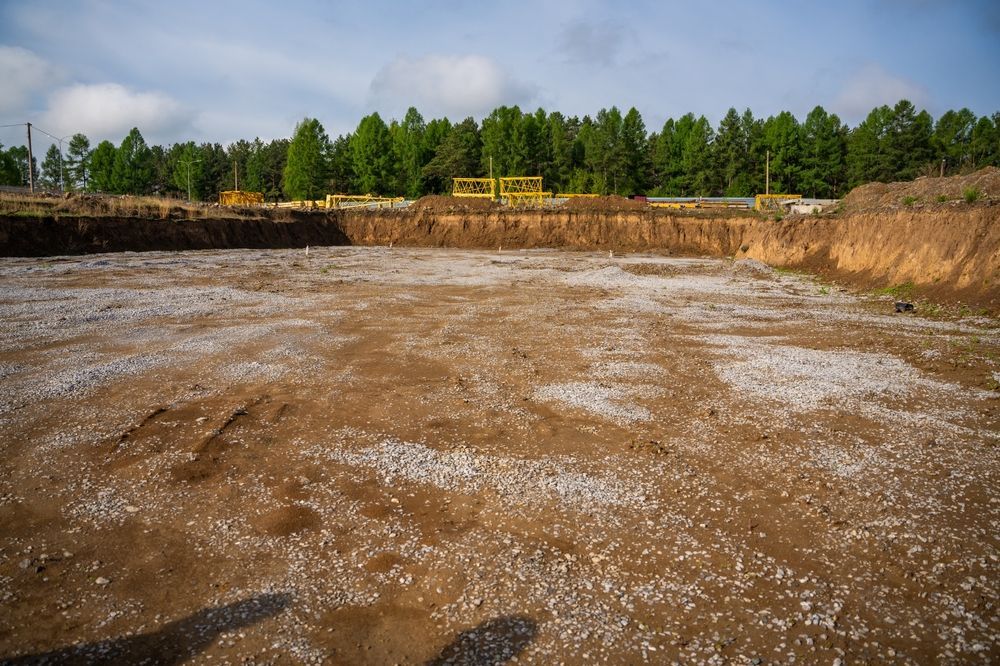
Overgrown Acreage Cleared Down to Grade
Land clearing in Belton for densely wooded lots, overgrown ranch property, and acreage that needs full site preparation
Texas Clearing and Excavation handles land clearing on acreage and ranch property from its base in Belton, working across Central Texas for property owners whose land has grown past the point of hand tools. Many parcels in and around Harker Heights carry mature post oaks alongside decades of accumulated brush, which means clearing requires a deliberate approach: the trees worth keeping have to be identified before anything is cut. Texas Clearing and Excavation marks those protected areas first, then moves through the site systematically so the result is a cleared property, not a scraped one.
The crew handles the full sequence in a single engagement—brush and unwanted tree removal, debris hauling or stacking, and surface preparation leading into grading—so the property owner is not coordinating between multiple contractors to reach a usable site. After the marked trees and retained areas are flagged, the clearing equipment moves through the designated zones, cutting and pulling unwanted growth before the material is removed or staged as agreed. That sequencing matters on tighter acreage lots where selective clearing is the difference between a site that works and one where the owner loses shade trees they intended to keep.
Arrange a site visit to walk the property and mark what stays before clearing begins.
What Proper Land Clearing Actually Requires
Land clearing on acreage is not a single operation—it is a sequence of decisions made before the equipment arrives. The crew identifies which trees and growth are to remain, which are to be removed entirely, and whether debris leaves the site or is stacked for the owner's use. On rural parcels where mesquite and brush have built up around established hardwoods, the cut pattern has to account for root zones and canopy spread so heavy equipment does not damage trees that are staying in place.
Once clearing is finished, the ground surface changes in ways that are immediately visible and practically significant: the site can be walked without obstruction, sight lines across the property open up, and the cleared area is accessible for whatever comes next—whether that is fencing, construction, or grazing. Because Texas Clearing and Excavation keeps brush clearing, tree removal, and grading under one crew, the transition from cleared land to graded, usable surface does not require mobilizing a second contractor or re-explaining the site layout to someone who was not there for the first phase.
Debris handling is agreed upon before work begins, so the property owner knows in advance whether cut material will be hauled away, chipped, or stacked at a designated point on the lot. That decision affects how much time the crew spends on final cleanup and whether any material has secondary use on the property, such as brush piles for erosion control or wildlife habitat.
What Property Owners Ask About the Work
Land clearing on acreage raises practical questions about process, equipment, and what happens to the trees and brush that come down. The answers below address how the work is actually performed.
What happens to the trees and brush after they are cut?
Cut material is either hauled off the property, chipped, or stacked at a location agreed upon before the job starts—the method depends on the volume, the property layout, and what the owner wants to do with the debris afterward.
How does the crew decide which trees to keep during clearing?
Before any equipment moves, the crew walks the site with the property owner to mark trees and areas that are to remain untouched, and those boundaries stay fixed throughout the job regardless of how dense the surrounding brush becomes.
What does the property look like once clearing is finished?
The site will be free of brush and unwanted growth, with the ground surface accessible and the retained trees standing undamaged—ready for grading, fencing, or whatever the next phase of site work requires.
Why does clearing need to come before grading or construction?
Clearing first gives the grading crew an unobstructed view of the ground surface and removes root mass and debris that would otherwise create voids or soft spots under a graded pad or roadbed.
How does the equipment used on acreage lots in Belton differ from what works on smaller residential parcels?
Acreage and ranch properties around Belton typically require tracked equipment capable of handling root systems and uneven terrain rather than the smaller skid-steer tools suited to flat residential lots—the size and type of machine is matched to what the density of growth and the ground conditions actually call for.
Texas Clearing and Excavation also performs land clearing in Harker Heights, Killeen, Nolanville, and Temple. To get started, contact Texas Clearing and Excavation at (512) 642-8612 to schedule a property walkthrough and discuss what the site requires before work begins.