
Canopy Opened Without Losing the Tree
Oak Tree Trimming in Belton for mature live oaks that need clearance around structures and access routes while staying standing
Mature live oaks that have been on a property for decades create real clearance problems when a structure goes up nearby or when equipment needs to move through a lot. Texas Clearing and Excavation trims oak trees on rural and residential property in Belton, removing deadwood and problem limbs to open the canopy and clear space around buildings and access routes without felling trees the owner intends to keep. The work applies to tight lots and acreage alike, where the goal is a usable property and a standing, healthy oak at the end of the job.
Every trim job starts with a walk of the tree to identify deadwood, limbs that are rubbing against each other, and branches that interfere with structures or equipment paths. Cuts go to the branch collar rather than through the middle of a limb, which is the standard that promotes proper callusing and reduces the risk of decay entering the cut site. Topping is not part of this work. Once the crew has confirmed on the walk-through whether the scope is limited to a specific clearance area or extends to the full canopy, debris is hauled or chipped on site.
Set up a walk-through to identify which limbs are creating clearance problems and confirm the scope before trimming begins.
What Proper Oak Trimming Actually Requires
Cutting to the branch collar is the detail that separates trimming that benefits the tree from cuts that create entry points for decay and disease. The collar is the slightly swollen tissue where a branch meets the trunk or a larger limb, and leaving it intact allows the tree to close over the wound naturally. Flush cuts that remove the collar or stubs left several inches long both interfere with that process and can introduce problems that show up years after the work is done.
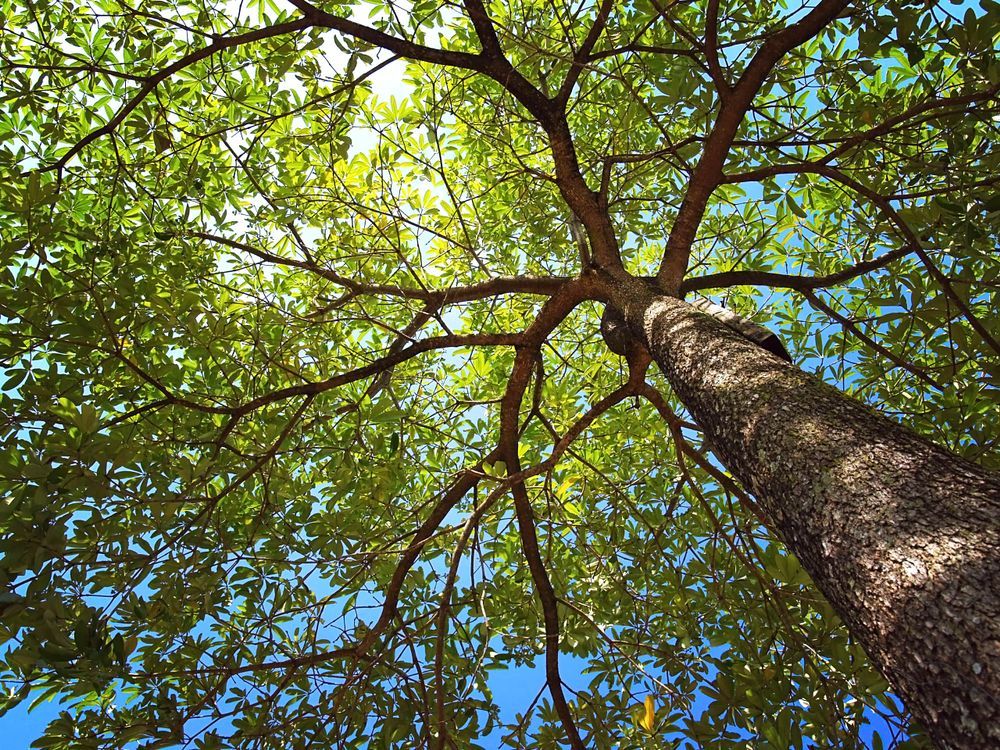
After trimming, the canopy is visibly opened in the areas where clearance was needed, and deadwood that previously created a hazard overhead is gone. Limbs that were rubbing against a roofline or blocking equipment access no longer make contact, and the remaining structure of the tree is intact. Texas Clearing and Excavation handles debris by chipping or hauling depending on what the job and the site require, so the property is clear when the crew leaves.
The scope of each trim job is set during the walk-through, not assumed. Some properties in the Temple and Belton area have oaks where the only concern is a specific limb over a building; others need a broader canopy reduction to allow equipment to move freely across a job site. Knowing the end use drives the trimming plan, and that conversation happens before any cuts are made.
Common Questions About This Service
The following questions address how oak tree trimming is performed, what drives decisions in the field, and what the property looks like once the work is finished.
What happens during the walk-through before trimming starts?
The crew walks the tree and identifies deadwood, rubbing limbs, and any branches that interfere with structures, fences, or equipment paths. The walk-through also confirms whether the scope covers a specific clearance area or the full canopy, which determines how the crew sets up and how long the job takes.
Why are cuts made to the branch collar rather than further out on the limb?
The branch collar contains the tissue the tree uses to seal a wound. Cutting at the collar allows the tree to callus over the site naturally. Leaving a stub or removing the collar entirely disrupts that process and leaves an opening that can admit fungal decay into the heartwood.
How does the crew handle debris after trimming?
Debris is chipped or hauled depending on the volume and what makes sense for the site. The method is confirmed during the site walk so there are no surprises when the crew finishes cutting.
What makes trimming on a rural lot in Belton different from a standard residential job?
Acreage properties often have oaks with broader canopy spread and limbs that extend over equipment access routes, not just buildings. The clearance requirements are set by how the property is being used, and the trimming plan accounts for both overhead structures and ground-level access paths that equipment needs to use.
How do you know when a limb should be trimmed versus removed entirely?
A limb is a trimming candidate when it is creating a clearance problem but is structurally sound and attached at a healthy collar. A limb that is dead, cracked through, or attached at a narrow V-crotch with included bark is typically a removal candidate because trimming it back does not resolve the underlying structural problem.
Texas Clearing and Excavation also trims oak trees in Nolanville, Harker Heights, Killeen, and Temple. To discuss a specific tree or a group of oaks on your property, contact Texas Clearing and Excavation to arrange a walk-through so the crew can assess the canopy conditions and confirm the trimming scope before work begins.